The fishery
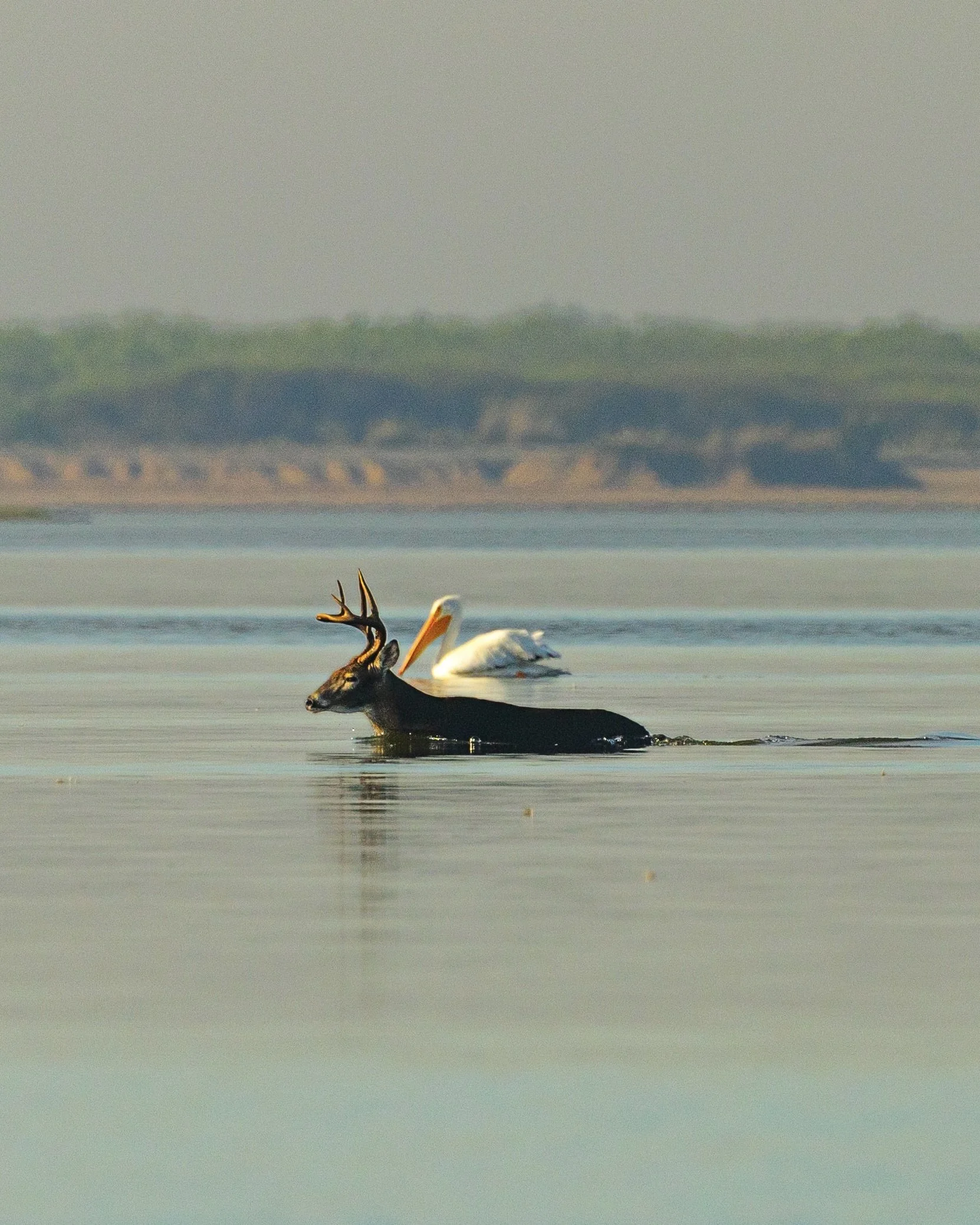
The Laguna Madre is a 130-mile hypersaline lagoon. Down here on the Lower Laguna, the landscape is ultra-shallow grass and sand flats, open water, and light that makes you stop before you make a cast. South Padre Island, Arroyo City, and Port Mansfield are the places I work out of. Each gives a different approach to the same fishery.
I start a day by looking at the wind, water clarity, and where I can see into the flat. A place that looked right yesterday may not be right today. Guiding here means reading the water in front of the boat, rather than arriving with a fixed plan. We fish from the boat, not by wading.
There is a difference between covering water and paying attention to it. I want time to notice the small changes, to look through the glare, and to understand why a fish is using one patch of bottom instead of the next. That attention is what connects the fishing to the photographs for me.
Sight fishing redfish
A tailing redfish is a small, deliberate signal. I look for the tail, a push of water, or a shape moving against the bottom. Seeing the fish is only the beginning. The useful question is which way it is moving and where the fly needs to be when it gets there.
Slot redfish are 20–28 inches; bull reds are part of the fall conversation. I am not trying to rush either encounter. Put the fly where the fish can find it without feeling chased. A quiet presentation and a controlled first strip matter more than another long cast. When a fish turns away, I watch what happened and adjust.
Speckled trout
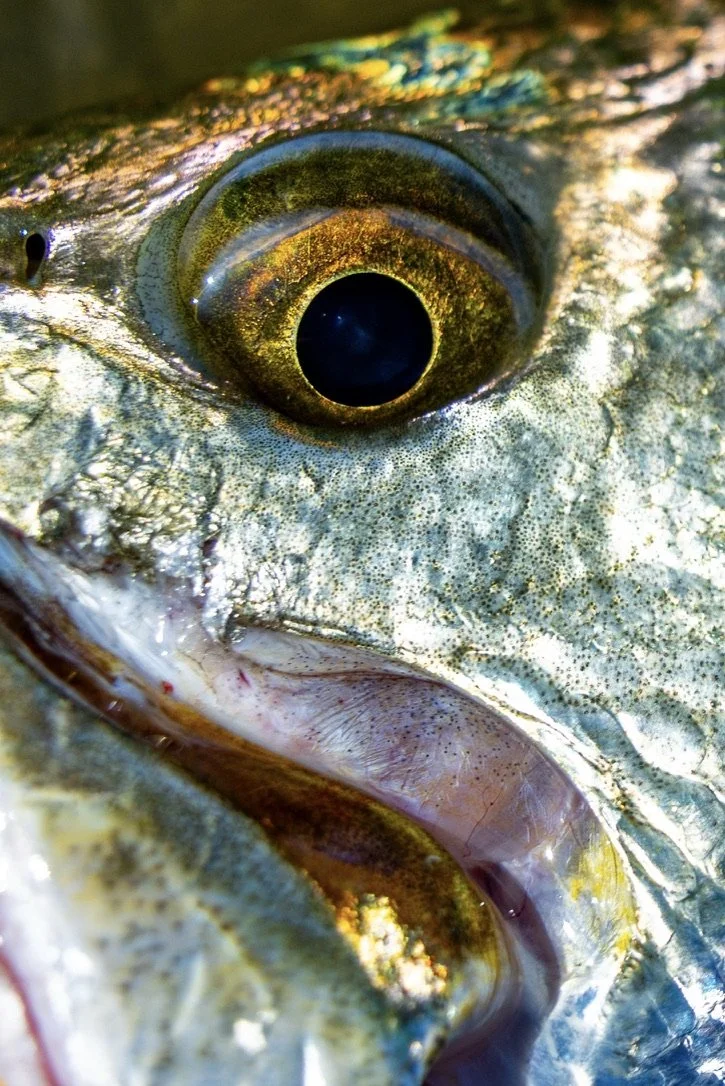
Trout ask me to slow down and pay attention to edges: grass meeting sand, a change in depth, or a lane through the flat. I look for a fish's outline before I look for a dramatic surface sign. The same clear water that lets us see a trout also lets that fish notice us.
I keep the approach quiet and give the fly time to work. Some days a shrimp pattern is the right conversation; on others I want a different silhouette. I would rather make one considered presentation than keep throwing into water I have not read.
Seasons month by month
I guide year-round. January, February, and March are months to stay flexible and choose the day around the conditions. April begins the peak window. Through May and June, I keep watching light and wind instead of assuming the calendar will do the work for us.
July and August ask for the same attention to weather and visibility. September, October, and November bring my favorite fall opportunities, including bull reds. Fall is excellent. The peak window carries into early December; later in December I return to a more weather-led plan. These are field notes, not promises. Fish do not keep appointments, and a good day starts with an honest reading of the conditions.
Gear
For these flats, I favor an 8–9 wt fast rod with a floating tropical line. A 9-foot leader finished in 16–20 lb fluorocarbon is a useful starting point. I want a setup that turns over the fly cleanly and still lets me place it with care.
The best rod is one you can cast accurately from the bow. Bring your own 8-wt if you like; rods, reels, flies, tackle, and water are included on my charters. Beginners are welcome. We can work on casting together, especially the controlled, repeatable cast that puts a fly in front of a moving fish.
Fly selection
Crab, shrimp, and mantis patterns are central to my box. I also carry gurglers for opportunities on the surface. I choose a fly for the water and the presentation, not because it was the winner on the last trip. Its profile and the way it moves need to make sense together.
Before changing flies, I ask whether the fish saw it, whether it was placed well, and whether the retrieve gave it a chance. Sometimes the answer is a different pattern. Often it is a better angle or less movement. Keep the selection purposeful and leave room to learn from the fish.
I also want an angler to understand the choice. A fly box can become a distraction when every refusal leads to another change. We talk about what we saw, where the fly landed, and what the fish did next. That gives the next cast a reason, rather than simply giving it a new fly.
Conservation & catch-and-release
This fishery is also the subject of my photographs and of LAGUNA. I want the record we make here to reflect care for the place. On a release, I keep handling deliberate, support the fish, and make the photograph quickly rather than turning it into another event.
Catch-and-release is part of how I think about a day, not just its last step. Respect the flats, give other anglers room, and check current Texas regulations before fishing. The goal is to leave with a better understanding of the water and to leave the water ready for the next day.
The memory of a fish does not need to depend on keeping it. A photograph, a clean release, and the details of the approach can be enough. Those are the things I want to bring back from the Laguna, and the things I hope an angler takes home after fishing with me.